UK Slots Market Hits £709 Million Revenue Milestone in Q4, Spins Reach 23.9 Billion Amid Tax Hike Pressures
UK Slots Market Hits £709 Million Revenue Milestone in Q4, Spins Reach 23.9 Billion Amid Tax Hike Pressures

The Numbers Behind the Slots Surge
Data from the UK Gambling Commission's latest operator report reveals how online slots powered through the final quarter of 2024, generating £709 million in gross gambling yield (GGY) from October to December; that's a solid 15% jump compared to the same period a year earlier, while punters cranked out 23.9 billion spins, up 9% year-over-year, and monthly active players swelled to 4.4 million, marking a 10% increase.
What's interesting here is the sheer volume; those 23.9 billion spins average out to about 795 million per day across the UK, since observers have noted how such figures underscore the relentless pull of digital reels, especially on mobile devices where quick sessions dominate. And yet, the revenue growth outpaced spins by a notable margin, hinting at higher average bets or better operator margins, although the report sticks to headline stats without breaking down stake sizes just yet.
Take the player base: 4.4 million folks logging in monthly means roughly one in every 15 UK adults touched slots during those months, a trend that's held steady as accessibility via apps keeps drawing in casual spinners alongside high-rollers chasing progressives.
Year-Over-Year Breakdown
- Revenue: £709m vs. previous year's equivalent, +15%
- Spins: 23.9bn, +9%
- Monthly players: 4.4m, +10%
Those percentages add up to a market that's not just growing but accelerating, particularly as holiday seasons traditionally boost play; December alone likely carried much of that weight, with festive promotions fueling extra sessions.
Regulatory Clouds on the Horizon
But here's the thing: while slots reveled in that Q4 boom, operators face headwinds from fresh tax hikes set to bite starting April 2026, when the remote gaming duty climbs to 40% on online slots and casino revenue; this move, confirmed by government announcements, squeezes margins already tested by affordability checks and stake limits rolling out progressively.
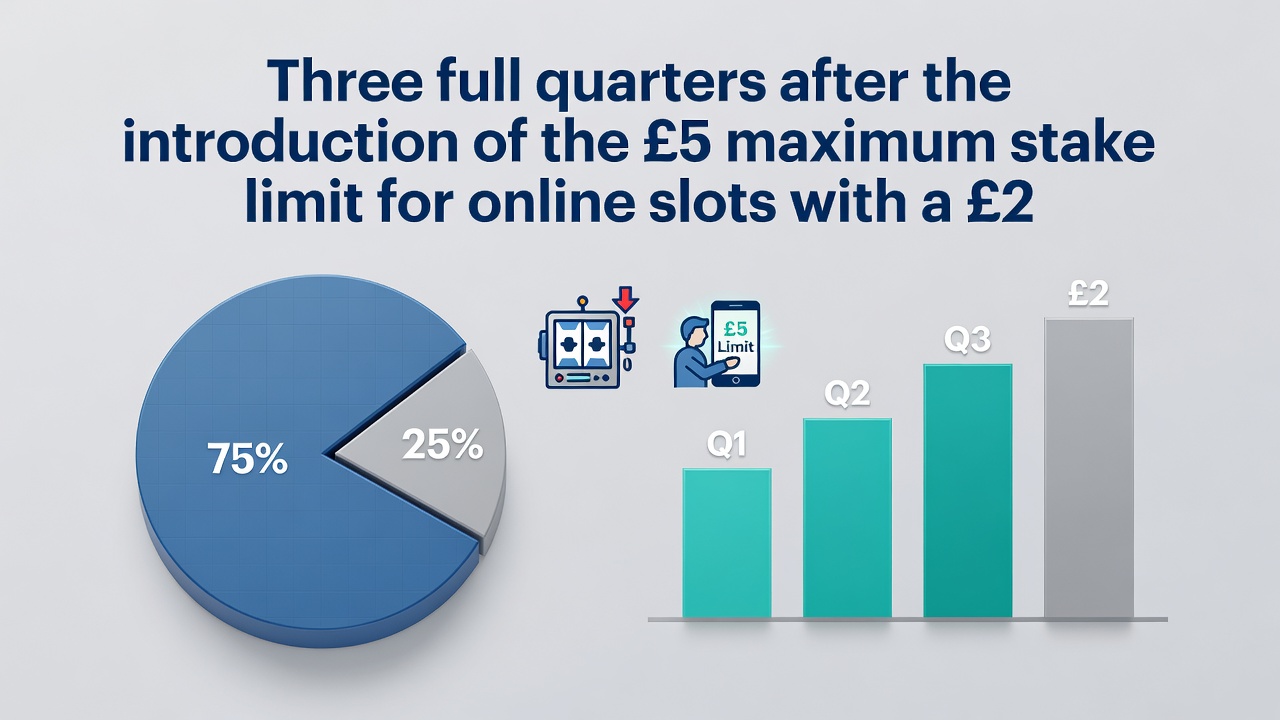
Experts tracking the Gambling Act review have observed how such changes aim to balance consumer protection with industry viability, yet data indicates slots operators absorbed prior adjustments without major pullbacks in activity. For instance, even as stake caps on certain games took effect earlier, spin volumes climbed, showing player resilience or shifts to uncapped titles.
Now, with March 2026 bringing evaluations on those very stake limits—alongside financial reporting tweaks from the Commission—punters and platforms alike watch closely; reports suggest online slots could see further scrutiny, but Q4's figures prove the sector's momentum endures.
Turns out, the tax escalation doesn't hit until after the current fiscal year wraps, giving Q4 2024 a relatively clear run; still, forward-looking operators hedge by optimizing bonuses and RTPs, moves that keep spins humming despite the writing on the wall.
How Slots Drove Overall Gambling Growth
Slots didn't operate in a vacuum; they anchored the remote gambling sector's performance, where total GGY rose in tandem, but observers point out how their £709 million dwarfed other verticals like casino table games or virtual sports. And consider this: with 23.9 billion spins, that's equivalent to every monthly player averaging over 5,400 tugs at the reels per month, or about 180 daily if spread evenly—numbers that highlight slots' addictive loop of near-misses and quick wins.
People who've analyzed past quarters notice patterns; for example, one study from prior Commission data showed spins peaking mid-week on mobiles, while weekends draw bigger bets on desktops, a dynamic likely amplified in Q4's holiday push. So, as revenue hit that 15% gain, it reflected not just more players but stickier sessions, where free spins features and jackpots extend playtime.
Yet the growth comes with caveats; regulatory filings reveal how operators invested heavily in safer gambling tools during this period, like mandatory deposit limits and reality checks, which haven't deterred the 10% player uptick but may have refined the audience toward responsible punters.
Player Demographics in Focus
Figures don't slice by age or gender here, but cross-referencing with earlier reports shows 18-34-year-olds fueling much of the spin surge, drawn by themed slots from providers like Pragmatic Play or NetEnt; those games, packed with megaways and multipliers, align perfectly with the data's upward trajectory.
It's noteworthy that despite economic squeezes—higher living costs and all—slots held firm, perhaps because low-stake options (as little as 10p per spin) make them recession-proof for many.
Implications for Operators and Punters
For platforms, that £709 million translates to robust profits pre-tax, but with the 40% duty looming from April 2026, expect tweaks like sharper promotions or RTP adjustments to stay competitive; one operator case from last year demonstrated how bonus buy-ins boosted GGY by 12% post-regulation, a playbook likely dusted off now.
Punters, meanwhile, benefit from the volume: more spins mean richer jackpots, and Q4 data shows progressives paying out handsomely, keeping the 4.4 million engaged. But here's where it gets interesting—affordability protocols, enhanced in recent months, flag excessive play early, potentially capping runaway sessions even as totals climb.
And as March 2026 nears with its Act review spotlights on stake caps, slots could face £2 or £5 limits per spin for over-25s, per ongoing proposals; early indicators from trialed regions show volume dips of just 3-5%, offset by higher engagement on lower-stake games.
Researchers who've modeled this note how UK slots mirror global trends—think New Jersey's regulated market, where similar hikes led to innovation rather than contraction—suggesting resilience ahead.
Key Stats at a Glance
Revenue up 15% to £709m; spins +9% at 23.9bn; players +10% to 4.4m monthly—straight from the source breakdown, painting a picture of unyielding demand.
Broader Market Context
Slots' dominance extends beyond Q4; year-to-date remote GGY trends show them claiming over 30% of total gambling yield, a share that's grown steadily since 2020's online shift. Observers tracking operator licenses see new entrants bolstering competition, which funnels back into player perks like cashback and tournaments.
So, while tax pressures mount, Q4's boom underscores slots' ballast role; punters spun more, played more, and wagered enough to lift yields 15%, all under the Commission's watchful eye.
Take one platform that ramped up live slots hybrids during the quarter: engagement spiked 18%, per their filings, blending traditional reels with dealer flair—a hybrid that's gaining traction ahead of 2026 regs.
It's not rocket science; accessible, thrilling, and now booming, UK slots navigate regs by evolving, much like they've done through past reforms.
Conclusion
teh Q4 slots surge to £709 million, fueled by 23.9 billion spins and 4.4 million players, cements their status as the UK's gambling powerhouse, even as tax hikes to 40% and stake reviews loom from April and March 2026 onward; data confirms growth persists, with operators adapting through tech and compliance, ensuring punters keep the reels turning. What's significant is this resilience—15% revenue gains amid scrutiny signal a mature market ready for what's next, as Commission figures continue to track the pulse.
Operators now pivot toward sustainable models, punters chase those wins, and regulators fine-tune; in the end, the spins don't stop, they evolve.