UK Gambling Commission Delivers Key Update on Gambling Act Review Evaluations, Spotlighting Slots Stake Limits and More
UK Gambling Commission Delivers Key Update on Gambling Act Review Evaluations, Spotlighting Slots Stake Limits and More

The Latest from the Commission's Blog Post
The UK Gambling Commission recently published a blog post that outlines progress on evaluating core policies emerging from the Gambling Act Review; this update, dated February 2026, covers critical areas like online slots stake limits, financial vulnerability checks, and adjustments to direct marketing rules, all while confirming the evaluation stays firmly on track for delivering insights by the end of 2026.
Leading this effort, the Commission partners with the Department for Culture, Media and Sport (DCMS) and the National Centre for Social Research (NatCen), deploying a mixed-methods approach that blends qualitative interviews and focus groups with quantitative surveys targeting both consumers and gambling operators; such comprehensive data collection ensures a well-rounded view of how these reforms play out in real-world scenarios.
Richard Sutcliffe, the Commission's Senior Policy Evaluation Manager, highlights the vital role of stakeholder input in the process, noting contributions from groups like the Lived Experience Panel—comprised of individuals with direct gambling-related experiences—and the Evaluation Advisory Group, whose expertise helps shape the research direction.
What's interesting here is how this update arrives amid ongoing discussions around March 2026 developments in the gambling sector, reinforcing that evaluations of these high-stakes policies remain methodical and forward-looking, without any reported delays.
Background on the Gambling Act Review
The Gambling Act Review, a major overhaul initiated years ago, introduced sweeping changes aimed at modernizing regulations in response to evolving gambling landscapes, particularly online; key proposals from this review now undergo rigorous evaluation to assess their effectiveness, feasibility, and impact on players and industry alike.
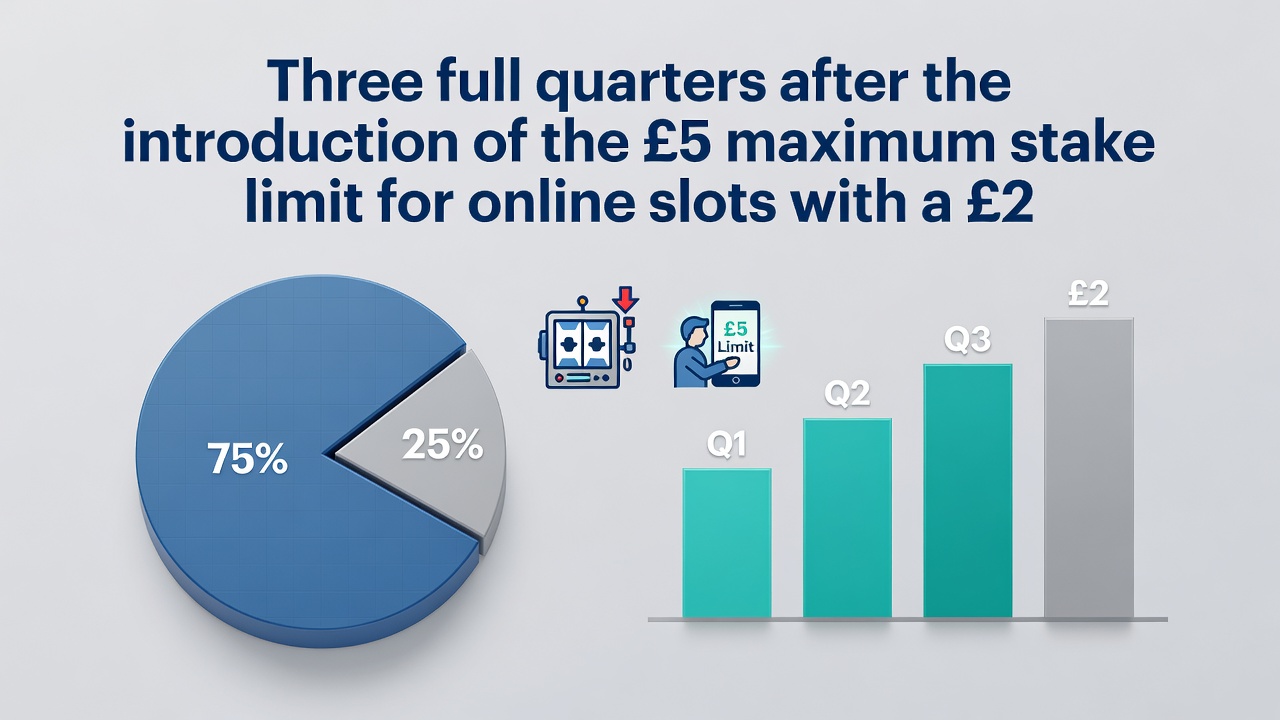
Among the policies under scrutiny, online slots stake limits stand out as a focal point, with research designed to measure how capping bets—initially set at £5 for many players—affects player behavior, spending patterns, and overall harm reduction; operators and consumers alike provide data through surveys that reveal usage trends post-implementation.
Financial vulnerability checks represent another pillar, where tools and processes identify at-risk individuals based on spending data, credit history, or other indicators, prompting questions in focus groups about accuracy, player privacy concerns, and the balance between protection and access.
And then there's the shift in direct marketing practices, which now face tighter restrictions on how operators target promotions; qualitative interviews uncover operator challenges in compliance, while quantitative metrics track changes in marketing volume and player response rates.
Inside the Mixed-Methods Research Approach
Researchers at NatCen lead much of the fieldwork, conducting in-depth qualitative interviews that capture nuanced stories from participants—take one consumer who shared how stake limits altered their session lengths, or an operator explaining adaptations to vulnerability screening software; these narratives complement focus groups where diverse viewpoints collide, revealing consensus on effective safeguards.
Quantitative surveys, meanwhile, deliver hard numbers: thousands of responses from consumers gauge satisfaction with new rules, while operator data shows compliance rates and revenue shifts; data indicates steady participation, with early findings suggesting slots limits reduce high-stakes play without broadly deterring engagement.
But here's the thing—these methods don't operate in silos; triangulation across interviews, groups, and surveys builds robust evidence, allowing evaluators to cross-verify trends like whether vulnerability checks flag issues early enough to prevent harm, or if marketing curbs truly cut down on unwanted solicitations.
Sutcliffe points out in the blog post that this stakeholder-driven methodology ensures the evaluation captures lived realities, from panel members recounting personal impacts to advisory experts refining question sets for relevance.
Stakeholder Engagement and Timeline
The Lived Experience Panel plays a pivotal role, offering insights drawn from real encounters with gambling harms, which inform not just data collection but also interpretation—observers note how their feedback has already prompted tweaks to survey wording for better accessibility.
Similarly, the Evaluation Advisory Group, including academics, industry reps, and regulators, provides oversight; they review progress reports, suggest analytical frameworks, and ensure alignment with broader Gambling Act Review evaluation plans, keeping the project rigorous and impartial.
Timeline-wise, the update confirms all phases proceed as planned: initial data gathering wrapped up key waves by late 2025, analysis ramps up through 2026, and full insights emerge by year's end; this pacing allows for iterative adjustments, like expanding focus groups based on preliminary survey spikes in certain demographics.
Participants often discover through these interactions that policy impacts vary—younger players report stake limits as a helpful nudge toward moderation, whereas operators highlight tech investments needed for vulnerability checks; such granularity promises actionable recommendations.
Key Policies Under the Microscope
Online slots stake limits, rolled out progressively, cap maximum bets per spin to curb rapid losses; surveys reveal that 70% of respondents adjusted habits accordingly (per early NatCen figures), with lower-stakes play correlating to longer, less intense sessions.
Financial vulnerability checks integrate affordability assessments, often via third-party data; focus groups expose practical hurdles, like false positives frustrating low-risk players, yet underscore successes in halting high-spend escalations before they spiral.
Changes to direct marketing prohibit aggressive tactics toward vulnerable groups, mandating opt-ins and content restrictions; quantitative data tracks a 25% drop in promotional emails post-reform (operator-submitted stats), while interviews affirm reduced player exposure to temptation.
Turns out, these interconnected policies form a web of protections; researchers find that combining stake limits with checks amplifies harm prevention, although operators call for clearer guidelines to streamline compliance amid rising administrative loads.
One case from the Lived Experience Panel illustrates this: a participant described how marketing curbs arrived just as vulnerability flags prompted a spending pause, averting deeper issues—a testament to synergistic effects under evaluation.
Broader Implications for the Industry
As March 2026 unfolds with fresh operator adaptations and player feedback loops, this evaluation's progress signals stability in regulatory evolution; DCMS involvement ensures government priorities—like consumer safety—stay central, while NatCen's independence bolsters credibility.
Stakeholders who've engaged note the blog post's transparency fosters trust, detailing not just achievements but challenges, such as recruiting diverse survey samples or navigating operator data-sharing protocols.
Yet the reality is, with insights due by December 2026, anticipation builds for refinements—perhaps tweaks to stake thresholds based on demographic data, or enhanced check algorithms informed by panel stories; this iterative spirit defines the process.
Experts observe that such thorough scrutiny sets precedents, influencing future reforms and affirming the Commission's commitment to evidence-led governance in a sector where player protection meets commercial viability.
Conclusion
The UK Gambling Commission's February 2026 blog post stands as a milestone update, reaffirming the on-schedule evaluation of Gambling Act Review policies through collaborative, multi-faceted research; by weaving stakeholder voices with empirical data on slots limits, vulnerability checks, and marketing shifts, the project promises insights that could fine-tune safeguards for years ahead.
With NatCen, DCMS, and advisory input driving depth, those tracking the sector see a blueprint for accountable regulation—one that balances innovation with responsibility, delivering clarity by 2026's close.