The Mechanics of Aligning Incentive Tiers with Dynamic Prize Pool Growth in Reel-Based Digital Platforms
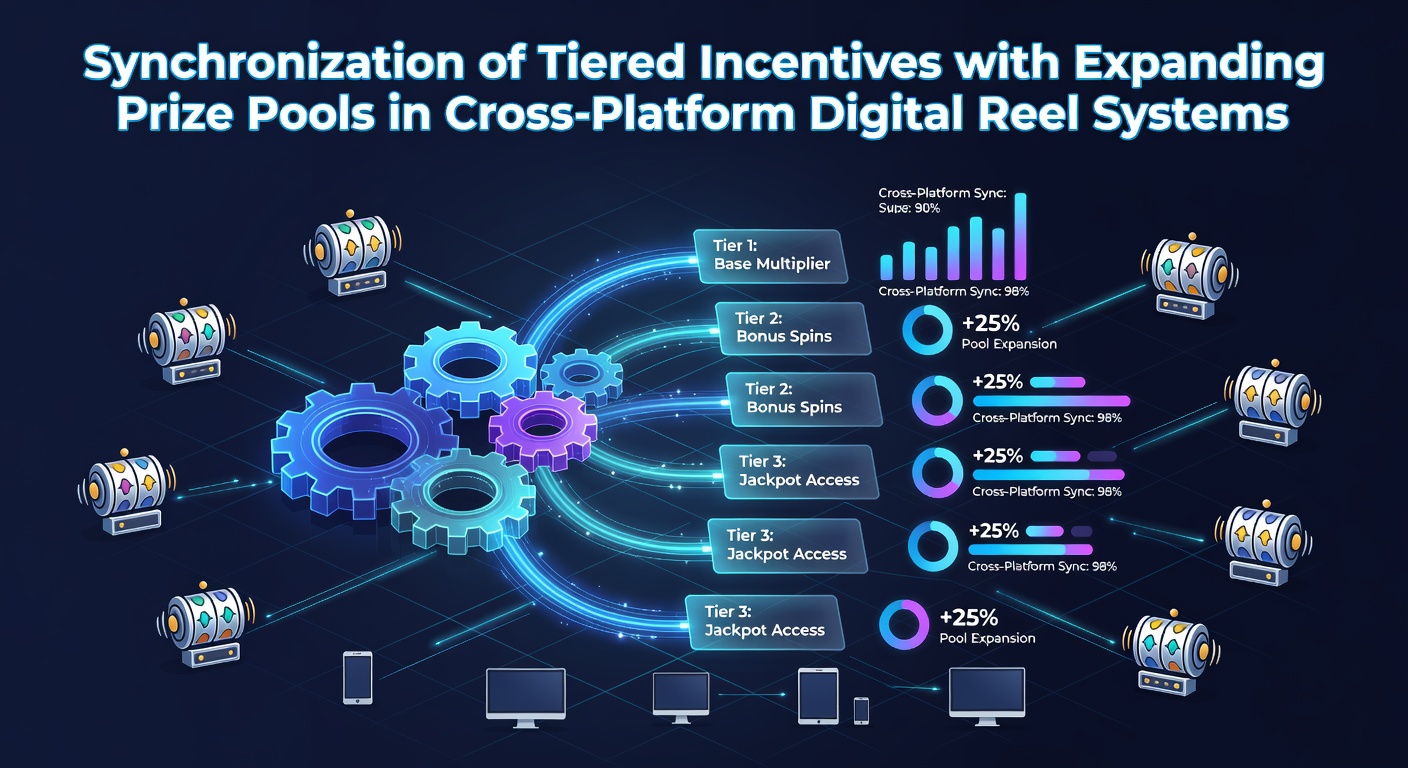
Digital reel systems operate across mobile apps, desktop interfaces, and dedicated terminals where operators coordinate tiered incentives such as loyalty points, bonus multipliers, and VIP status upgrades with expanding prize pools that accumulate through progressive contributions from player wagers. Synchronization occurs when algorithms adjust reward thresholds in real time as jackpot meters rise, ensuring that players at different engagement levels receive proportional benefits without disrupting pool growth rates. Data from industry platforms shows that integrated systems track player activity across devices using unified player accounts that log every spin contribution to both personal incentive tiers and shared prize pools.
Core Components of Tiered Incentive Structures
Tiered incentive programs divide participants into categories based on cumulative wagering volume, session frequency, and retention metrics, with each level unlocking distinct reward multipliers that apply to base game payouts or free spin allocations. These structures rely on backend databases that update player profiles instantly when cross-platform logins occur, allowing a desktop session to carry forward progress toward a mobile-exclusive bonus tier. Observers note that operators configure these tiers to scale automatically once prize pools exceed defined milestones, such as when a progressive jackpot surpasses 500,000 units in a multi-jurisdiction network.
Research from the International Association of Gaming Regulators indicates that synchronized systems reduce player churn by maintaining consistent reward visibility regardless of the access device. The process involves mapping incentive triggers to pool expansion rates so that a player entering the silver tier receives an elevated contribution percentage to the jackpot meter while simultaneously qualifying for accelerated loyalty points.
Expansion Dynamics Within Prize Pools
Expanding prize pools in digital reel environments accumulate through fixed percentage deductions from each qualifying wager, with contributions distributed across multiple jackpot levels that reset or carry over depending on operator rules. Cross-platform architectures require centralized ledgers that reconcile contributions from disparate game instances in sub-second intervals to prevent desynchronization. When a pool reaches trigger thresholds, the system reallocates portions of the accumulated value into secondary incentive layers, such as guaranteed minimum payouts for mid-tier players.
Technical Synchronization Processes
Developers implement application programming interfaces that link incentive management modules directly to prize pool engines, enabling bidirectional data flow where changes in one component immediately influence the other. For instance, when a player advances to a new incentive tier, the system recalculates their future wager contributions to the pool using adjusted formulas that preserve overall growth trajectories. In June 2026, several multi-state operators in the United States deployed updated synchronization protocols that incorporated machine learning models to predict pool expansion under varying player density conditions across platforms.
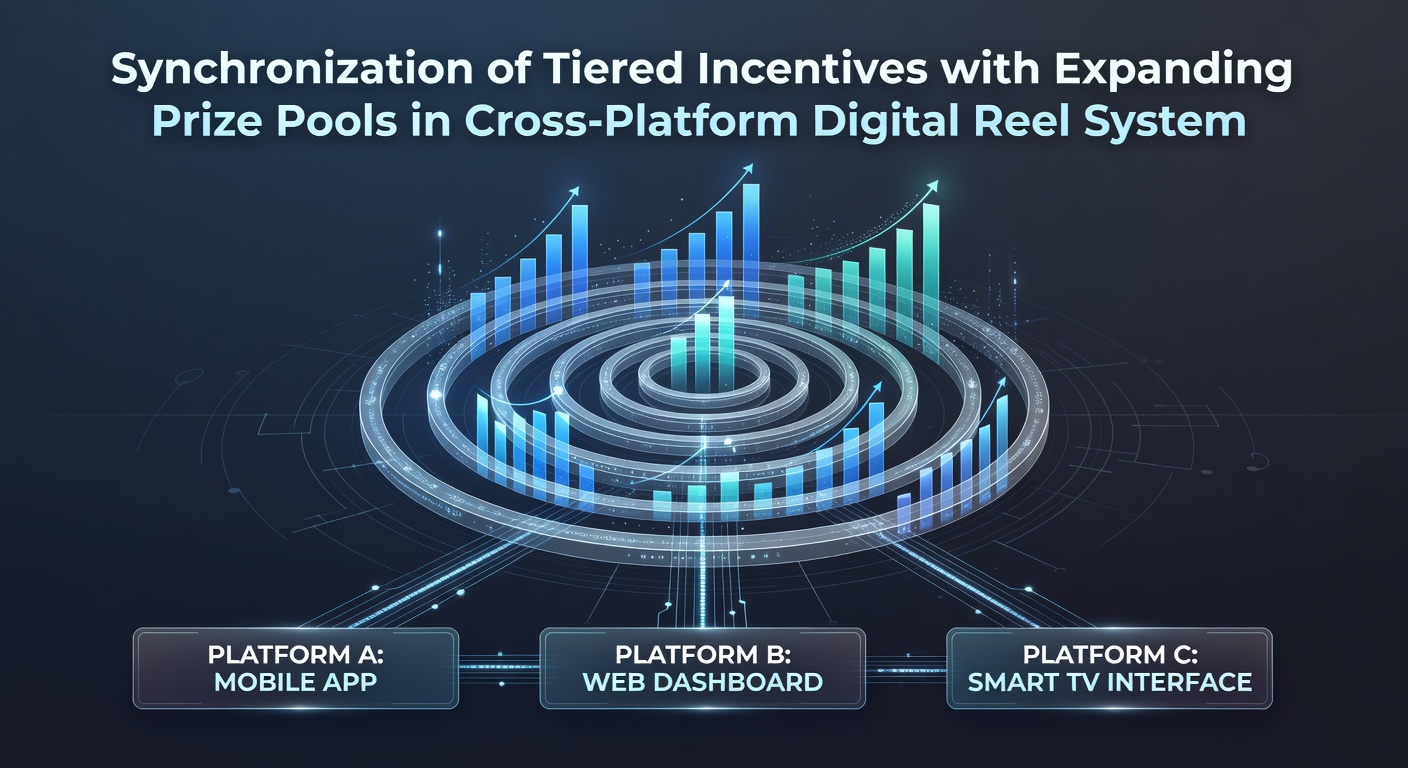
These models analyze historical spin data to forecast when tier promotions should activate, ensuring that incentive payouts do not exceed available pool reserves. The National Indian Gaming Commission has documented similar implementations in tribal gaming facilities where cross-platform reel networks span both land-based terminals and remote access points. Synchronization also incorporates regulatory compliance checks that verify each reward distribution adheres to jurisdictional contribution caps before finalizing player credits.
Cross-Platform Data Reconciliation Challenges
Operators face latency issues when reconciling data streams from mobile networks with lower bandwidth against high-speed desktop connections, which can create temporary mismatches in recorded incentive progress or pool balances. Solutions include timestamped transaction queuing systems that prioritize updates according to regulatory audit requirements while preserving the order of player actions. Studies conducted by the Gambling Research Exchange Ontario demonstrate that effective reconciliation protocols maintain accuracy rates above 99.8 percent across sessions lasting multiple hours on mixed device environments.
Additional complexity arises when prize pools span international operators subject to different taxation frameworks, requiring the synchronization layer to isolate contribution sources by jurisdiction before applying tiered rewards. Those who manage these networks report that automated conflict resolution scripts detect and correct discrepancies within defined tolerance windows, preventing players from experiencing interrupted progress toward either incentive milestones or jackpot eligibility.
Implementation Examples Across Regions
European operators have integrated synchronization frameworks that tie daily drop events to tier advancement, where pool expansions directly influence the value of rewards distributed to gold and platinum level accounts. A report issued by the Australian Communications and Media Authority outlines comparable systems in licensed online environments where cross-platform reel titles feed into unified prize pools while maintaining separate incentive ledgers for different player segments. These implementations rely on encrypted data exchanges that protect player identities during the synchronization process.
Conclusion
Effective synchronization between tiered incentives and expanding prize pools depends on precise technical linkages, accurate data reconciliation, and regulatory alignment across platforms. Continued refinement of these mechanisms supports consistent player experiences as digital reel systems expand into additional markets and device types.