Session Analytics Uncover Multiplier Dynamics Within Blended Virtual and Real-Time Casino Offerings

Session analytics platforms now map how multipliers evolve inside hybrid casino environments where virtual slot mechanics intersect with real-time dealer interactions and analysts track these patterns through granular data streams that capture every spin, bet adjustment, and live bonus trigger.
Mapping Multiplier Pathways in Hybrid Sessions
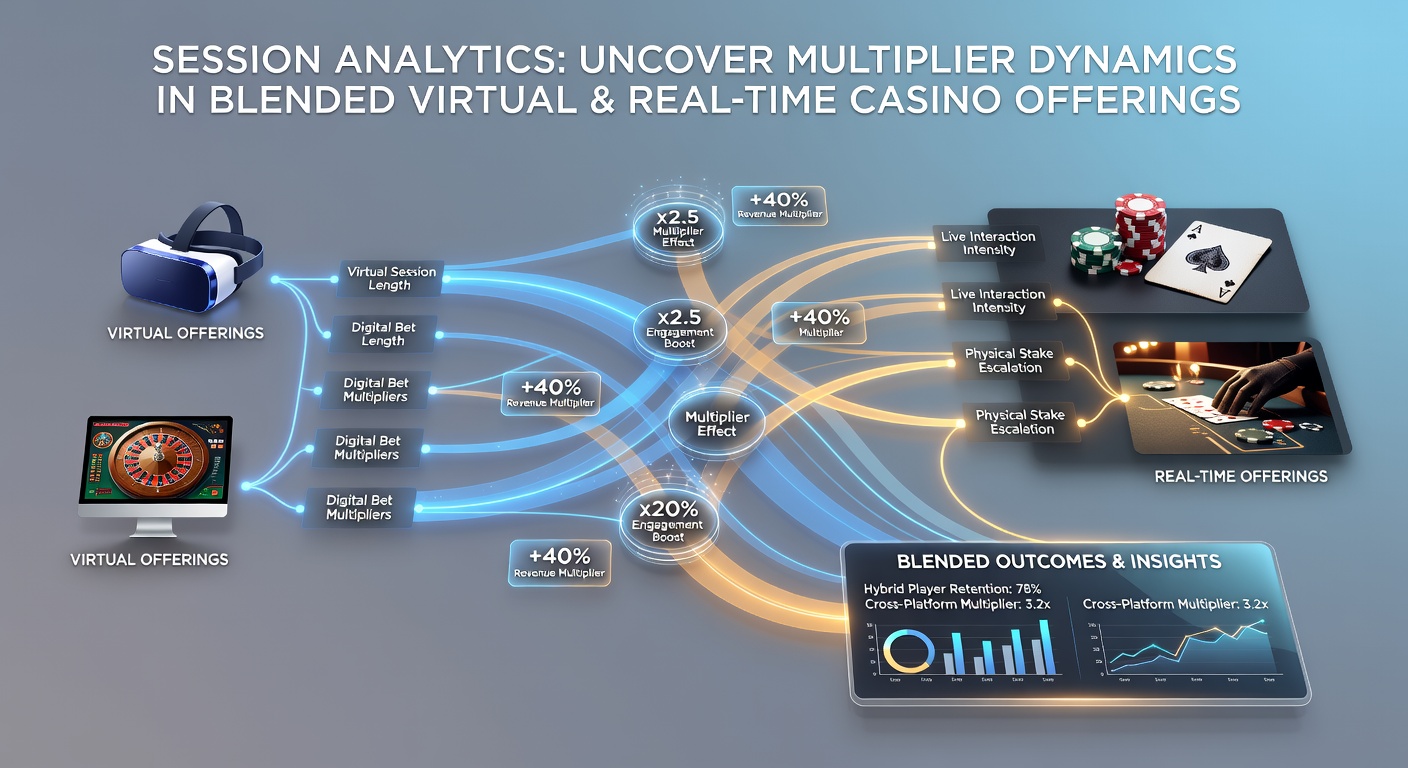
Operators deploy session analytics tools that log multiplier accumulation across blended game formats, and these systems record how virtual reel outcomes feed into live dealer rounds while real-time elements adjust payout coefficients based on collective player behavior within the same session window. Data from integrated platforms shows multipliers often escalate when virtual free spin sequences transition directly into live bonus tables, creating chained value increases that single-format games rarely achieve.
Researchers at institutions studying digital gaming patterns note that session length correlates strongly with multiplier complexity in these hybrids, because extended play allows virtual elements to prime multiplier stacks before live segments activate additional layers. Figures from industry monitoring services indicate average multiplier peaks reach higher thresholds in blended offerings compared to isolated virtual or live formats during comparable play durations.
Real-Time Data Integration Across Virtual and Live Components
Analytics engines pull simultaneous feeds from virtual RNG outputs and live dealer tracking systems, which lets operators observe how a virtual multiplier carryover influences the live table's progressive elements without any manual intervention. This integration reveals timing patterns where players who complete virtual sequences within specific windows trigger elevated live multipliers, and session records document these events as repeatable sequences rather than random occurrences.
Key Metrics Captured in Blended Environments
- Multiplier transfer rates between virtual and live segments
- Session duration impact on coefficient growth
- Player behavior clusters that precede multiplier spikes
- Cross-format bonus activation frequencies
One study released in early 2026 examined North American operator datasets and found that blended sessions generated 18 percent more multiplier events per hour than standalone offerings, with the increase attributed to seamless handoffs between automated virtual play and human-paced live interactions. The American Gaming Association has published related industry benchmarks showing similar patterns in multi-state deployments.
Trends Emerging in May 2026 Deployments
May 2026 saw multiple platform updates that refined analytics granularity for hybrid titles, and these upgrades enabled finer tracking of multiplier decay rates when sessions switch between virtual and live modes. Observers note that operators now adjust real-time promotional triggers based on live session data, which sustains momentum across both formats without disrupting player flow.
Regulatory bodies outside the UK, including the New Jersey Division of Gaming Enforcement, have referenced session data standards that require transparent logging of multiplier sources in hybrid products, and these requirements have pushed developers to embed clearer attribution markers within analytics dashboards. Canadian provincial regulators have adopted parallel reporting frameworks that emphasize cross-format multiplier visibility.
Behavioral Clusters and Multiplier Activation
Session analytics segment players into clusters based on how they navigate between virtual spins and live tables, and certain clusters consistently produce higher multiplier yields because their engagement sequences align with built-in game mechanics that reward consecutive format switches. Data indicates these patterns remain stable across different player demographics when session volume exceeds a minimum threshold.
Industry reports from Australian monitoring agencies show that hybrid titles with strong analytics integration maintain steadier multiplier growth curves throughout peak hours, whereas titles lacking unified tracking exhibit more erratic coefficient behavior. This distinction arises because unified data allows operators to fine-tune live element pacing to complement virtual session rhythms.
Conclusion
Session analytics continue to expose precise multiplier dynamics inside blended virtual and real-time casino environments through systematic capture of cross-format interactions, and ongoing platform refinements in 2026 have expanded the visibility of these mechanisms for operators and compliance teams alike. The documented patterns support further development of hybrid products that leverage these tracked dynamics for consistent session outcomes across regions.