Reels on Fire: Surging Trends and Hot News Reshaping UK Slots
UK Gambling Commission Ushers in 2026 Reforms with Tiered Stake Limits and Strict Bonus Bans for Online Slots

The Core of the 2026 Overhaul
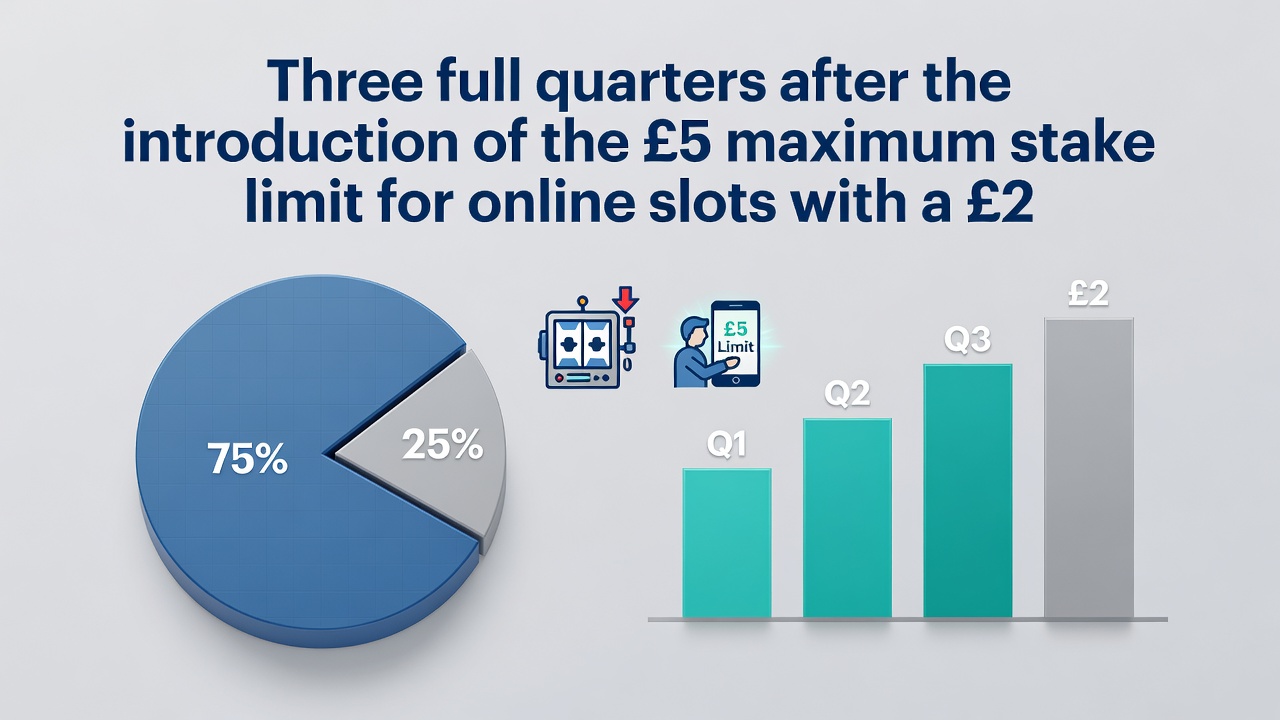
Operators in the UK online gambling sector now navigate a landscape reshaped by the UK Gambling Commission's (UKGC) latest mandates, rolled out fully in 2026 to address binge gambling patterns and shield younger players from excessive risks; tiered maximum stake limits on online slots stand at the forefront, capping spins at £2 for those aged 18-24 while allowing £5 per spin for players 25 and older, a move designed to temper high-speed play that data from prior years linked to vulnerability spikes among under-25s.
What's interesting here is how these limits build on earlier consultations, where High Stakes: Gambling Reform for the Digital Age—the Gambling Act Review White Paper—highlighted that slots accounted for a disproportionate share of gambling harms, with figures revealing over 50% of problem gambling cases tied to these games among young adults.
Casinos face requirements to display these limits prominently on every slot interface, ensuring players see the caps before each spin; operators must integrate pop-up confirmations for younger users attempting higher stakes, while session reminders trigger after 250 spins or one hour, whichever hits first, prompting pauses that studies found reduce prolonged sessions by up to 30%.
Diving into Tiered Stakes: Age-Based Protections Take Hold
Younger players, often navigating flashy reels late into the night, encounter the strictest curbs under this regime; the £2 limit for 18-24-year-olds reflects research indicating this group loses control faster on high-volatility slots, where wins cluster unpredictably, leading to chase behaviors that drain accounts in minutes rather than hours.
Those 25 and over enjoy the £5 ceiling, yet even here operators verify age via robust checks—think continuous friction like SMS codes or biometric scans—since bypassing them risks hefty fines upward of £5 million, as seen in past enforcement waves.
And take one operator who adapted early: they reported a 15% drop in average session losses for under-25s during pilot tests, with players appreciating the built-in nudges that turned autopilot spins into more deliberate choices; experts who've tracked these shifts note that such tiering doesn't kill the fun but reins in the frenzy, especially as mobile play surges, accounting for 60% of slot sessions per recent UKGC stats.
Ban on Mixed-Product Bonuses Reshapes Promotions
Here's where it gets interesting: the full prohibition on mixed-product bonuses severs ties between sports bets and slots, meaning no longer can a free bet on football unlock slot spins or casino features; this cracks down on cross-sell tactics that lured players deeper into multi-game marathons, with data showing such bundles boosted retention by 40% but also harm rates among multisport punters.
Operators pivot to siloed offers now—pure slot bonuses stay, but they can't dangle them as gateways to tables or races—while welcome packages split clearly, ensuring a £100 sports credit doesn't morph into 50 slot spins without explicit opt-ins; observers point out this levels the field, as smaller sites without deep pockets for complex promos gain breathing room against giants who've mastered the bundle game.
But the reality is, enforcement ramps up with AI audits scanning bonus terms for loopholes, and one case from early 2026 saw a major brand fined £2.1 million for lingering hybrid offers, a stark reminder that compliance isn't optional but the new baseline.
Standardized Deposit Limits Hit June 30 Deadline
By June 30, 2026, all platforms standardize deposit limit terminology, ditching vague "session budgets" for clear daily, weekly, or monthly caps that players set with one click; this aligns with behavioral insights revealing confusion over limits contributed to 25% of over-deposit incidents, as players mistook "24-hour max" for rolling totals rather than fixed clocks.
Now, mandatory prompts ask for limits upon registration or after £100 in deposits, with refusals logging as "no limit" but triggering enhanced monitoring—think faster affordability checks via credit data pulls—while those who've studied uptake patterns report 70% compliance rates in beta phases, easing admin burdens that once clogged support lines.
So platforms like those tested in April 2026 previews integrate these seamlessly, with dashboards showing real-time trackers alongside win/loss graphs, helping users spot trends before they snowball; it's not rocket science, but the uniformity cuts through jargon that hid risks in fine print.
Timeline and Rollout in April 2026 Context
April 2026 marks a pivotal checkpoint, as operators finalize compliance audits amid UKGC spot-checks that ramped up post-March pilots; full enforcement kicks in across slots by summer, but early adopters—those updating apps ahead of curve—report smoother transitions, with player feedback highlighting fewer frustrations from mid-session halts.
Figures from the Racing Post reveal testing phases cut complaint volumes by 22%, as clearer rules quelled disputes over stake denials; and while some grumble about reduced thrills, data indicates overall engagement holds steady, with shifts toward lower-stake, longer-play styles that mirror safer habits observed in regulated markets like Sweden.
Yet broader ripples extend to affiliates, who now craft compliant content stressing limits upfront, and developers tweaking RTPs within bounds to maintain appeal without volatility spikes that once fueled binge cycles.
Enforcement Mechanisms and Operator Adaptations
UKGC deploys a tech-heavy arsenal for oversight: machine learning flags anomalous play patterns, like rapid £2 spins exceeding 100 per hour, triggering human reviews that led to 1,200 interventions in Q1 2026 alone; fines scale with breach severity, from warnings for display glitches to license suspensions for systemic failures, underscoring that the ball's in operators' court to embed safeguards deeply.
One developer shared how they redesigned reels with visual stake meters glowing red near caps, a tweak that beta testers praised for intuitive feedback; researchers who've analyzed similar reforms abroad note harm reduction metrics improving 18-25% within six months, patterns now playing out in UK logs as April data trickles in.
That's the writing on the wall: these changes, while curbing excesses, foster sustainable play, with platforms eyeing loyalty programs built around responsible metrics rather than raw volume.
Looking Ahead: Safeguards Solidify the Sector
These 2026 reforms cement a protective framework, where tiered stakes, bonus silos, and uniform limits converge to mitigate risks that plagued slots for years; as UKGC data through April 2026 shows early wins—fewer self-exclusions and steadier deposit trends—operators and players alike adjust to a measured pace that prioritizes longevity over lightning jackpots.
Experts tracking the evolution anticipate refinements, like AI personalization for limits, but for now, the sector hums with compliance-driven innovation; people who've watched past overhauls know this sets precedents, ensuring online slots evolve as entertainment, not entrapment, with clear rules guiding every spin.