Payment Pathways in Hybrid Gaming: How Funding Options Unlock Layered Rewards in Table-Slot Blends
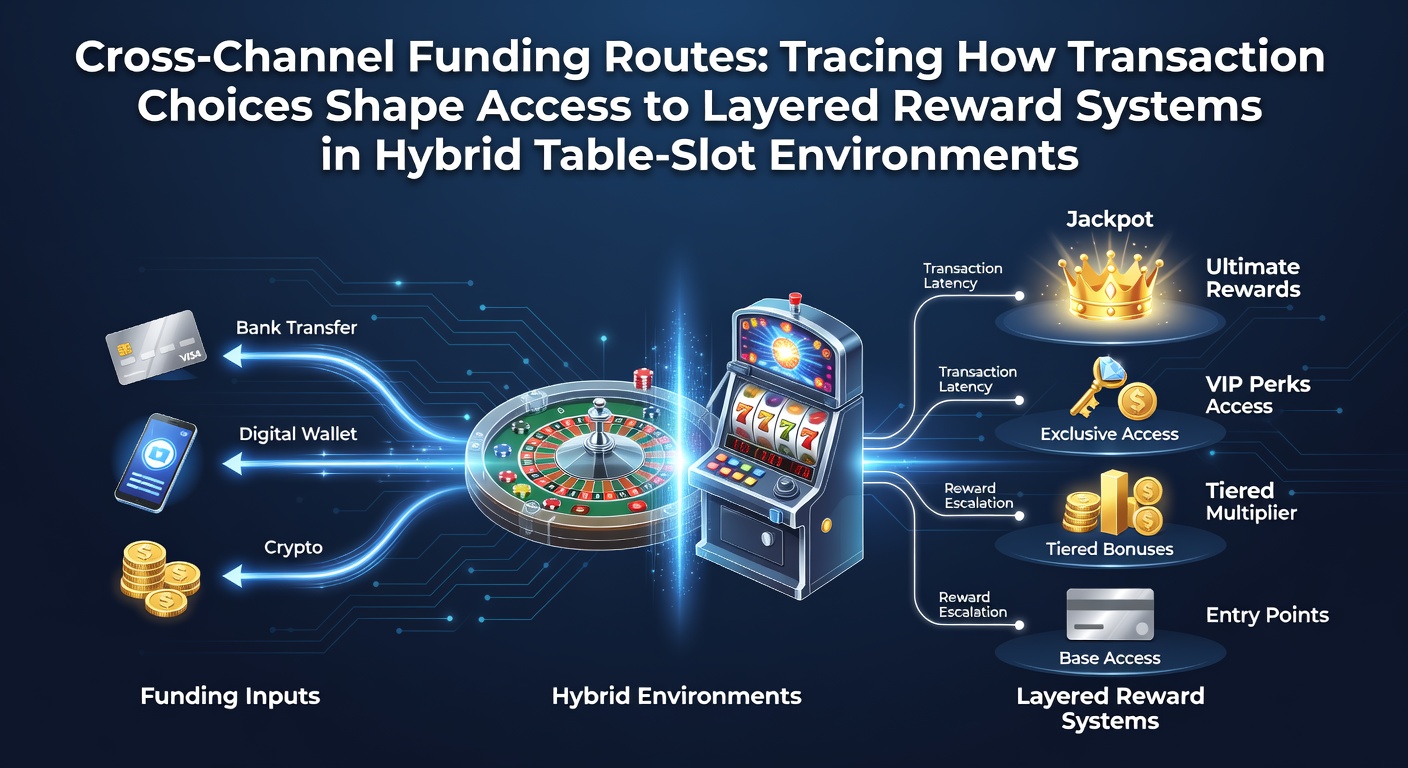
Transaction methods in hybrid casino settings connect directly to reward access in ways that shape player progression across table games and slot features, and data from industry reports shows these links have grown more pronounced since the expansion of mobile platforms in early 2025. Observers note that choices between bank transfers, e-wallets, and digital currencies often determine eligibility for multi-tiered bonuses that combine live dealer progressives with slot cascades, while regulatory updates in several regions continue to influence how operators structure these systems.
Hybrid environments merge live table elements with automated slot mechanics, which creates layered reward structures that respond to deposit speed and verification levels. Researchers at academic institutions have tracked how instant funding routes reduce friction in accessing daily drop features and VIP ladder steps, whereas slower methods may delay entry into combined bonus pools until clearance completes. This dynamic becomes especially visible in platforms that integrate both formats, where transaction records feed into algorithms that unlock escalating multipliers and jackpot shares.
Funding Methods and Their Direct Effects on Reward Tiers
Bank transfers maintain a steady presence in hybrid setups because they support higher deposit limits that align with progressive jackpot thresholds, yet they require additional processing time that can postpone bonus activation. E-wallet options, by contrast, frequently pair with instant credit mechanisms that feed directly into free spin allocations and live dealer multiplier rounds, according to figures from payment processor analyses. Cryptocurrency routes add another dimension since blockchain confirmations enable rapid movement into tiered VIP systems that blend table-side perks with slot cascade enhancements.
Operators adjust these pathways based on compliance requirements that vary by jurisdiction, and one study from the University of Las Vegas gaming research center revealed correlations between funding verification speed and reward redemption rates across blended game libraries. Players who select methods with built-in loyalty integrations often reach combined table-slot bonus layers sooner, while those using traditional channels encounter staged release schedules that prioritize security checks before full access opens.
Hybrid Mechanics That Respond to Transaction Data
Live dealer tables within hybrid platforms pull transaction history to determine eligibility for progressive contributions that also feed slot-based side games, creating a feedback loop where deposit patterns influence both immediate bonuses and long-term accumulation. Slot segments in the same environment apply similar logic to trigger avalanche features or multiplier stacks once funding clears specific thresholds, and industry data indicates these triggers activate more consistently with verified digital wallet activity than with pending bank authorizations.
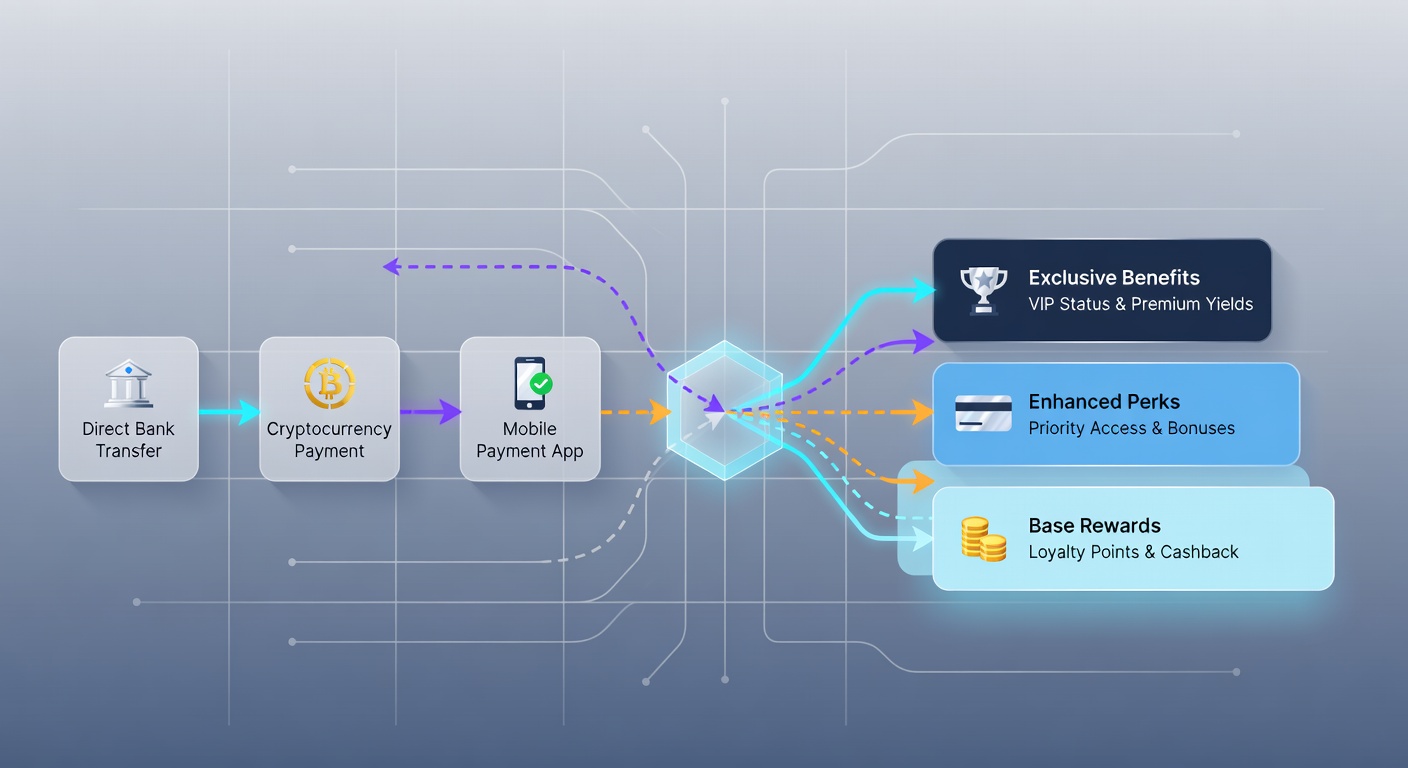
During May 2026, several platforms introduced updated interfaces that display real-time reward eligibility tied to chosen payment routes, allowing clearer mapping of how each transaction type aligns with progressive pools and VIP ascents. This development follows patterns observed in earlier platform iterations where faster funding correlated with higher engagement in combined table and slot reward cycles, as documented in reports from the European Gaming and Betting Association.
Regional Variations in Channel Access and Reward Mapping
Regulatory frameworks in North America and parts of Asia impose distinct verification standards that affect how quickly transaction choices translate into layered benefits, with some markets requiring additional documentation for cryptocurrency deposits before they unlock full hybrid reward access. Australian oversight bodies have published guidelines showing that e-wallet usage often accelerates entry into multi-game bonus structures compared with card-based methods, which face extended review periods in certain licensed environments.
These differences create distinct user journeys across platforms that operate in multiple regions, and transaction logs become key data points that operators use to calibrate reward distribution between live table progressives and slot-based free spin sequences. Evidence from cross-border operator summaries suggests that consistent selection of one funding channel can build cumulative advantages in tiered systems, particularly when that channel supports recurring small deposits that compound into larger jackpot eligibility.
Conclusion
Transaction selections in hybrid table-slot environments continue to function as gatekeepers for layered reward systems, with each method carrying specific implications for timing, eligibility, and progression speed. Data from regulatory and academic sources demonstrates measurable differences in how bank transfers, e-wallets, and cryptocurrencies integrate with progressive and bonus mechanics, while platform updates scheduled through mid-2026 are expected to refine these connections further. Observers tracking these patterns note that the interplay remains central to how players navigate combined game formats across evolving regulatory landscapes.