Layered Incentive Models Influencing Player Retention in Cross-Format Gambling Platforms
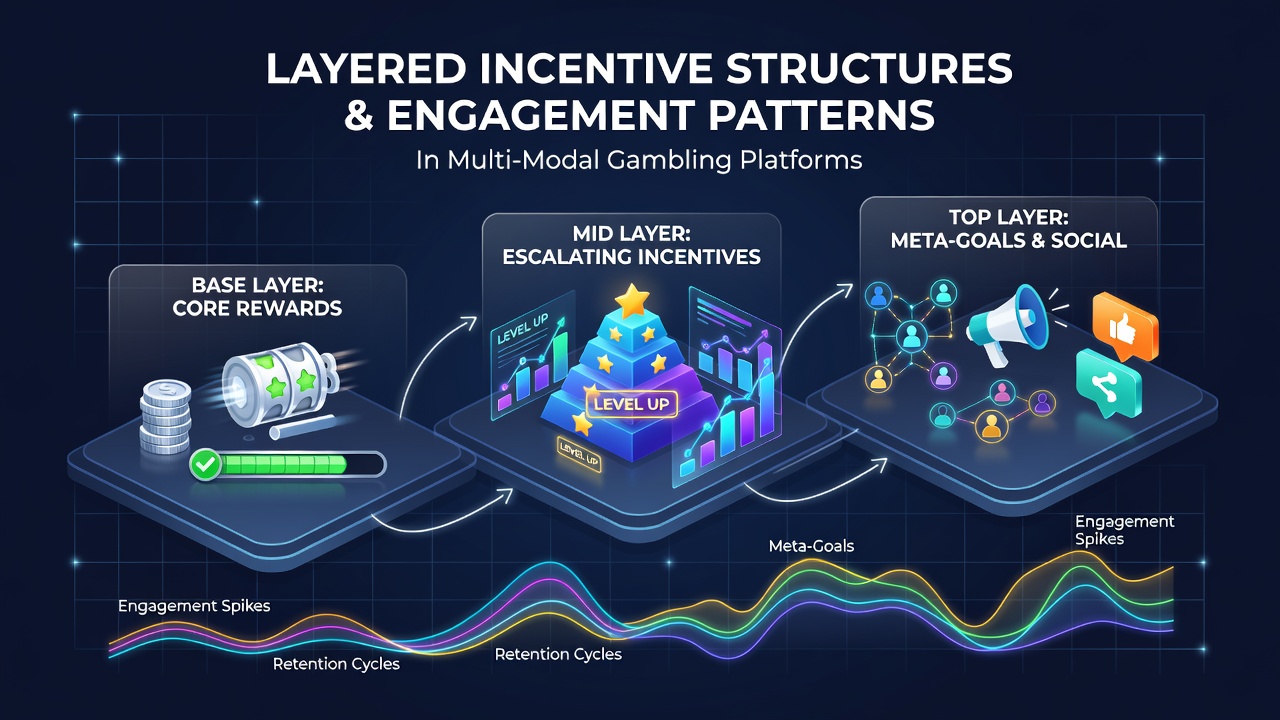
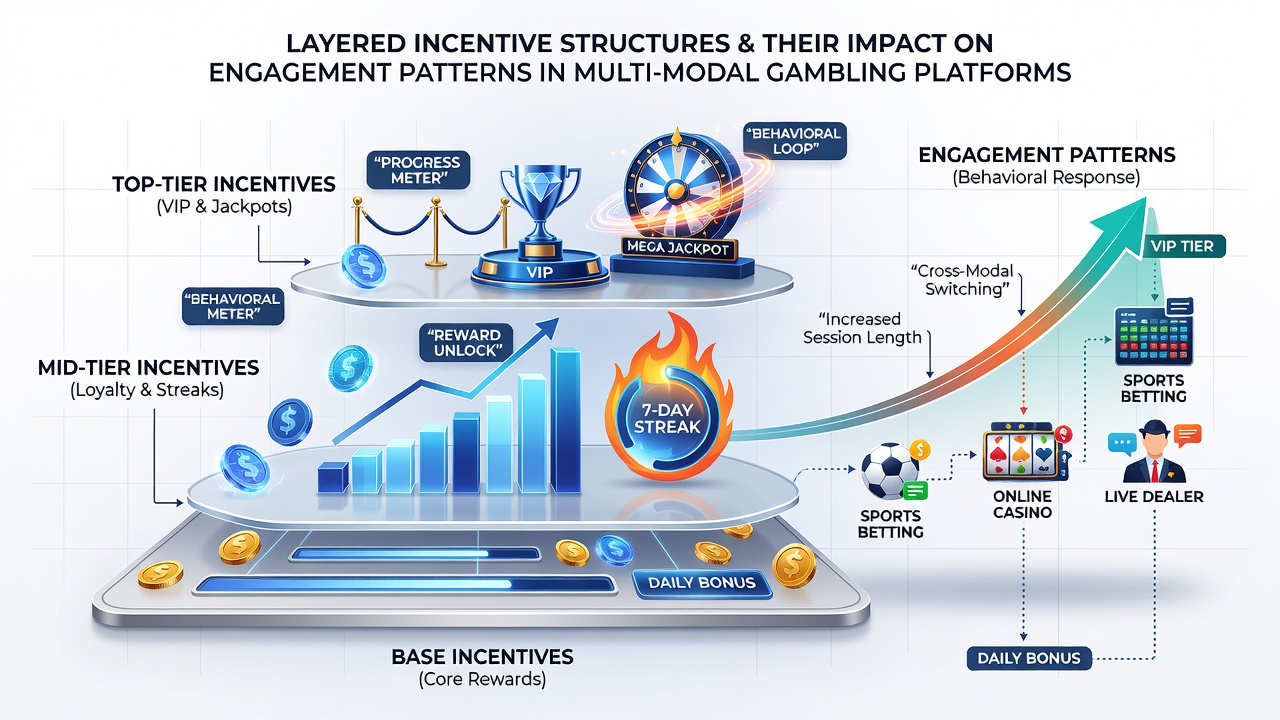
Layered incentive structures combine multiple reward tiers that activate at different spending or activity thresholds, and these systems appear across platforms that integrate slots, live dealer tables, sports betting, and virtual games into single user accounts. Operators deploy points systems that convert into free spins, cashback percentages, and exclusive tournament entries, while progress bars track cumulative play to unlock higher VIP levels with faster withdrawal processing and personalized bonuses. Data from industry reports indicate that such layering creates sequential engagement loops where users advance through basic rewards toward premium benefits, and this progression often correlates with increased session lengths and cross-format participation.
Core Components of Layered Systems
Base layers typically include welcome bonuses and daily login rewards that require minimal deposits, whereas mid-tier incentives introduce weekly cashback on net losses and milestone-based free spin packages tied to wager volume. Top layers grant access to private events, dedicated account managers, and higher betting limits, and these privileges activate only after sustained activity across multiple game types. Studies conducted by the University of Nevada's International Gaming Institute show that users who reach mid-tier status within the first 30 days demonstrate a 35 percent higher likelihood of trying live dealer options after initial slot sessions, while top-tier members extend average playtime across sports betting markets by an additional 22 minutes per session according to aggregated operator telemetry.
Engagement Patterns Across Modalities
Multi-modal platforms record distinct shifts when incentives link formats together, such as bonus funds earned in slots that carry over into live roulette tables or sports wagers. Researchers tracking user flows note that players starting in one vertical frequently migrate when layered rewards require activity in secondary formats, and this migration produces measurable spikes in total handle during promotional windows. A June 2026 analysis released by the Australian Gambling Research Centre examined 12 integrated platforms and found that users exposed to cross-format progression mechanics increased their weekly active days from 2.8 to 4.1 on average, with the largest gains occurring among accounts that combined slot spins with live dealer sessions.
Quantitative Shifts Observed in Recent Data
Platform analytics reveal that retention rates climb when users unlock consecutive layers within 60 days, and operators report reduced churn among accounts that accumulate points from varied game categories. The same Australian study documented a 28 percent rise in multi-format engagement after operators introduced unified loyalty ledgers that tracked every wager type toward shared milestones. External figures from the American Gaming Association's 2025 digital report further indicate that integrated reward programs correlate with higher lifetime value metrics, particularly when cashback percentages scale upward at each tier and pair with time-limited challenges that reset monthly.
Behavioral Responses and Platform Metrics
Users often accelerate activity near tier thresholds, producing temporary surges in deposit frequency and wager size that subside once the next layer unlocks. Observers monitoring transaction logs note that these acceleration periods appear consistently across different player segments, although the magnitude varies by starting format and geographic market. Platforms that display real-time progress toward the next reward level record steadier daily engagement compared with systems that reveal milestones only at login, and this visibility difference contributes to sustained play patterns rather than sporadic bursts.
One operator dataset reviewed in 2026 showed that accounts receiving layered prompts across slots and sports betting maintained 19 percent longer active streaks than accounts limited to single-format incentives. The pattern holds when rewards themselves remain consistent in value, which suggests that the structural layering, rather than the absolute size of bonuses, drives the observed continuity in participation.
Regulatory Context and Reporting Adjustments
Authorities in multiple jurisdictions have begun requiring operators to disclose how incentive tiers affect player behavior metrics, and these disclosures feed into broader responsible gambling frameworks. Canadian provincial regulators updated reporting templates in early 2026 to capture cross-format migration rates, while Singapore's Casino Regulatory Authority now requests quarterly summaries of tier advancement timelines. Such data collection enables external reviewers to assess whether layered structures concentrate activity among smaller user cohorts or distribute engagement more evenly across the player base.
Conclusion
Layered incentive structures continue to shape how users allocate time and spending across integrated gambling environments, with available data pointing to increased session duration and format migration when progression mechanics connect multiple modalities. Ongoing reports from academic and industry sources document these shifts through standardized metrics that track tier advancement alongside retention and cross-vertical activity, and the patterns observed through June 2026 suggest that unified loyalty systems will remain central to platform design in coming periods.